| Residential Treatment Systems |
 |
Tannin & Organic Removal Systems |
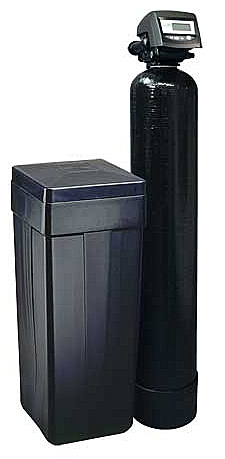
| Safe Water Technologies’ Tannin and Organic Removal Systems are built utilizing SWT’s ProSelect™ Tannin-HP Resin as the primary functioning layer. Now, there is a way to treat tannins and organics more thoroughly than ever. | ||||||||||||||||||||||||||||||||||||||||||||
|
||||||||||||||||||||||||||||||||||||||||||||
| Computer Metered Tannin and Organic Removal Systems | ||||||||||||||||||||||||||||||||||||||||||||
|
||||||||||||||||||||||||||||||||||||||||||||
|
* 0.5% solution of soda ash helps regeneration in case of iron. NOTE: Please specify operating pressure at installation in order for SWT to properly program brine refill time. Bypass available (P/N: UA/BV1256).
Duplex systems available. International voltages available. All systems have other piping connections available. Operating pressure: 20 to 125 psi (1.4 to 8.6 bar) Operating temperature: 36 to 120ºF (2 to 48.9ºC) All pressure vessels are wound fiberglass composite tanks with copolymer polypropylene liner and are NSF® listed. |
||||||||||||||||||||||||||||||||||||||||||||
|
WHAT ARE TANNINS? Simply put, anything once alive can be considered organic. Tannins are dissolved, decayed organic matter in the water, and generally not a health risk. This occurs primarily in river or surface water, but can also occur in wells on occasion. We have heard of estimates of 12,000 different types of common tannins. Most people drink a form of tannin every day in the guise of tea or coffee. Tannin, in abundance, will generally cause a yellow or brownish tinge to the water supply. It comes from decayed vegetation or animal matter, and is carbon based, as is all life forms. This is significant in that carbon tends to deplete oxygen, and tannin-laden waters will reduce the amount of free oxygen in water. Tannins can also prevent iron from precipitating, and tannins in water are responsible for many failures of iron removal filter systems. Sometimes organic will bind with iron (called heme iron) and will cause the iron to pass through an oxidation process while remaining in solution. The best way to remove the iron in cases such as this is to treat the iron as an organic, and remove it with tannin resin. HOW ARE TANNINS MEASURED? Unfortunately, not very well in simple tests. There are so many variations of tannins that they are hard to define and measure with standard testing. Some companies offer Lignin test kits, or more advanced labs have a T.O.C. (Total Organic Carbon) test, but neither test is foolproof. HOW DO TANNIN RESINS (SOMETIMES CALLED ORGANIC SCAVENGERS) WORK? Would you believe no one has all the answers to this question? Tannin resins are made in many different variations. Some work on an ion exchange principal, and some work through adsorption. Some even work as a mechanical filter. Most tannin resins work using more than one method. SWT has tried a variety of resin designs before choosing a resin that seemed to give us the best results in the field. We designed our resin and systems with an eye on why most other tannin systems fail. We built a resin that would not fall apart in southern climates, that could withstand iron, and be easily cleaned because it had to be used in heme iron applications. As technology advanced, we found a resin that actually pulled organic from the water in an additional method separate from its ion exchange capability. HOW TO SIZE A RESIDENTIAL TANNIN REMOVAL SYSTEM Since there is no accurate, cost effective way to measure tannins, there is no absolute rule with unit sizing other than trial and error for your part of the country, or having a familiarity with the local water supply. Many mild cases of tannin contamination (light to no color) can be treated with as little as 1/3 of a foot of tannin resin. In areas where there is greater than 2 PPM of iron in addition to the tannins, more resin is required. If you can't see the bottom of the tub, install at least a one cubic foot system (if not larger). THE NON-SCIENTIFIC FORMULA A little bit of tannin = a little media. (More tannins need more media.) RECOMMENDED REGENERATION Valves should be set to regenerate every 1000 gallons or 7 days (whichever comes first). SWT also recommends the periodic use of soda ash and/or resin cleaners for particularly bad wells. |
||||||||||||||||||||||||||||||||||||||||||||
|
||||||||||||||